Understanding livestock pricing trends in 2026
Seasonal price shifts, feed cost impacts, and what sellers and buyers should know heading into the second quarter.
Livestock prices are shaped by a combination of seasonal demand, feed availability, fuel costs, and the broader agricultural cycle.
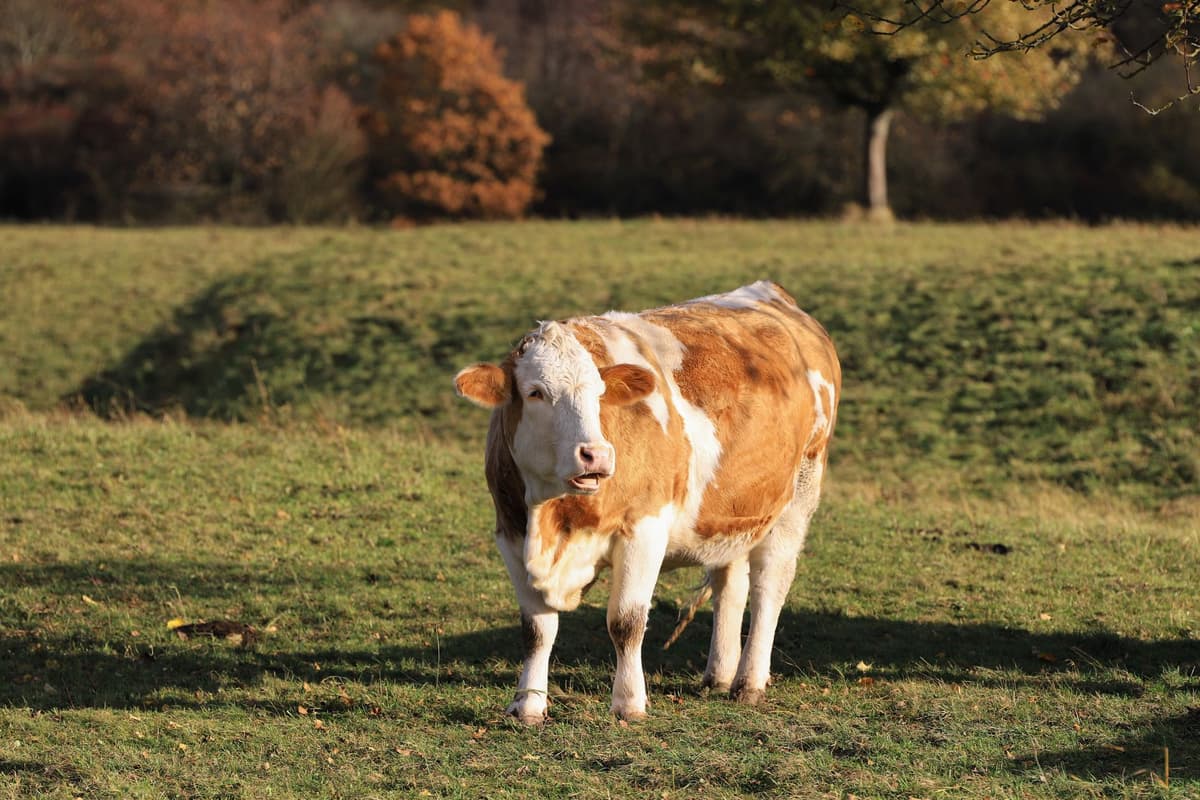
Q1 typically sees increased cattle movement as farmers prepare for dry-season grazing transitions. This puts upward pressure on feeder stock prices while finished beef may stabilise or dip slightly.
Poultry pricing is closely tied to maize and soya prices. A spike in either input feeds directly into day-old chick and layer hen pricing within 4–6 weeks as producers adjust output.
For sellers, the key takeaway is to time listings ahead of peak demand periods. Early listings attract more views and often close at better prices than last-minute stock offered when the market is saturated.
Buyers benefit from monitoring listing volumes. When a large number of similar animals appear at the same time, it typically signals oversupply — a good window to negotiate or wait before placing bids.